Design Challenge: Accessible Ramps
We’ve recently been asked to do design work for a homeowner that wants to update their ground floor bathroom & kitchen while adding a family room and ground floor guest bedroom. Pretty straightforward stuff that we’ve done many times before, but the twist is that one of the homeowners is a physician specializing in muscular dystrophy and wants the ground floor of the house to be accessible to people in wheelchairs. Accessibility is a regular part of our commercial work, but planning a residence with an accessible entrance, bedroom and full bath is first.
The first thing we focused on was getting people into the house in a “passive” way, meaning that access can be achieved without external power like an elevator or lift, so we studied ramp options. According to the accessibility code a surface must be treated like a ramp if it’s slope exceeds 1:20 (5%) and in this case can have a maximum slope of 1:12 or 8.3%.
This is isn’t always easy to picture but it means that an increase in height of about 30” as is the case on our project, yields a very long ramp.
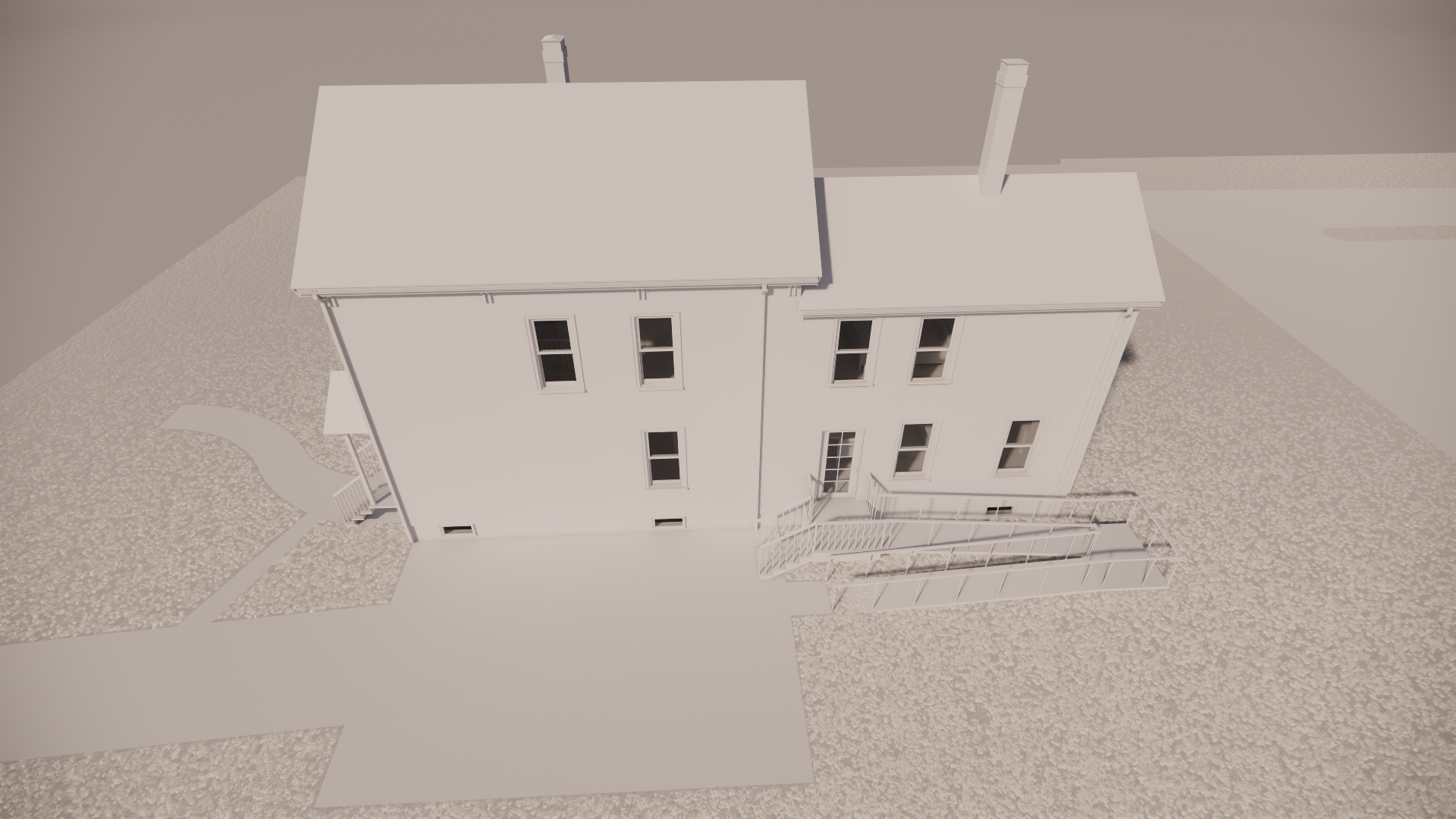
Here’s how a simple switchback ramp would look, it has a travel distance of about 40’, including the landing, as compared to about 3’ for a typical set of stairs. What I like about this option is that then entry point to the stair and ramp are side by side, which reinforces the idea that users of the stair and ramp are of equal importance.
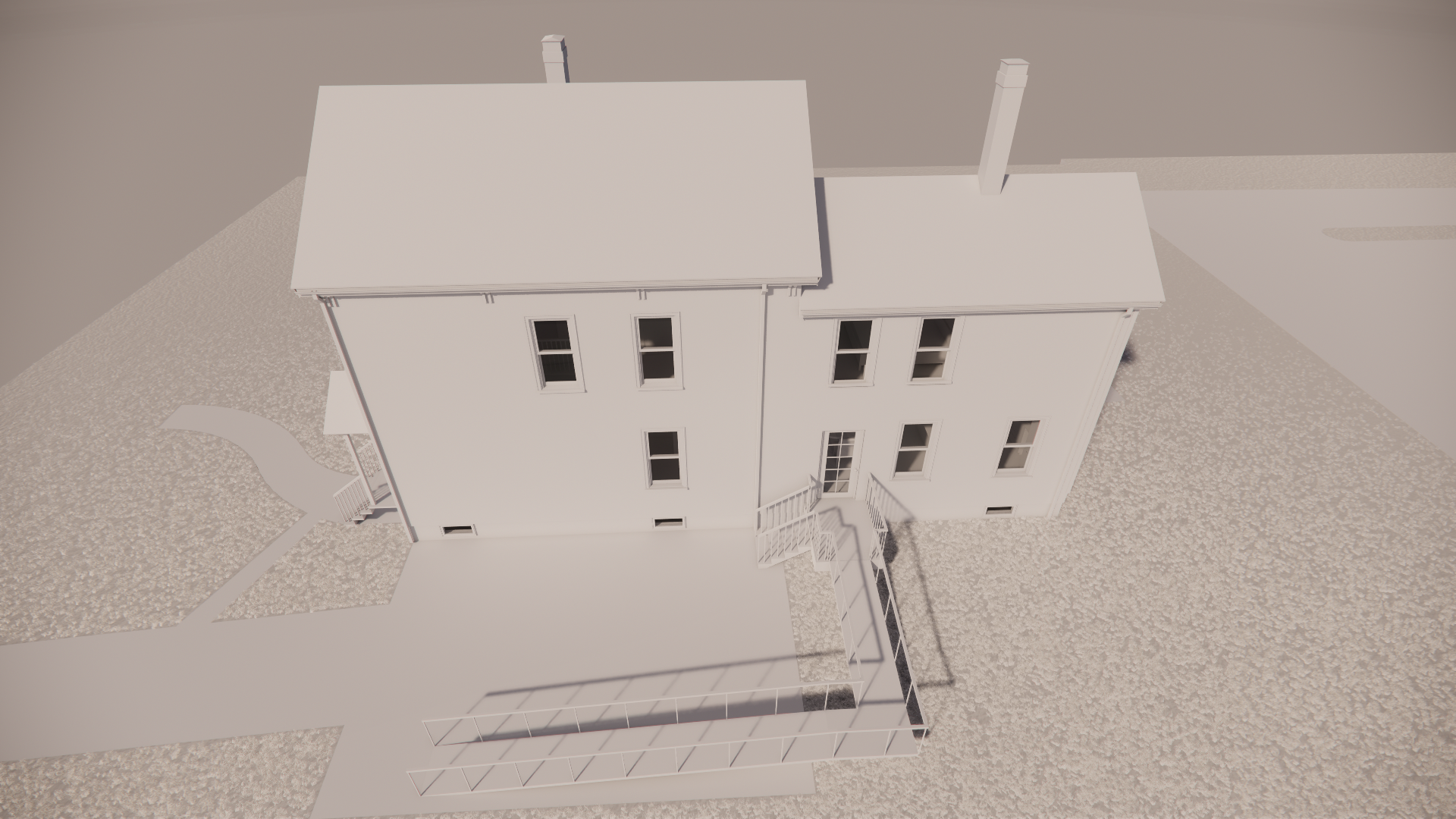
Here’s an “L” shaped ramp that begins right along the property line (bottom of the image). The strength of this option is that the entry to the ramp is close to where someone would exit a parked car. A major weakness is that it totally cuts off access to the back yard from the street & parking area.
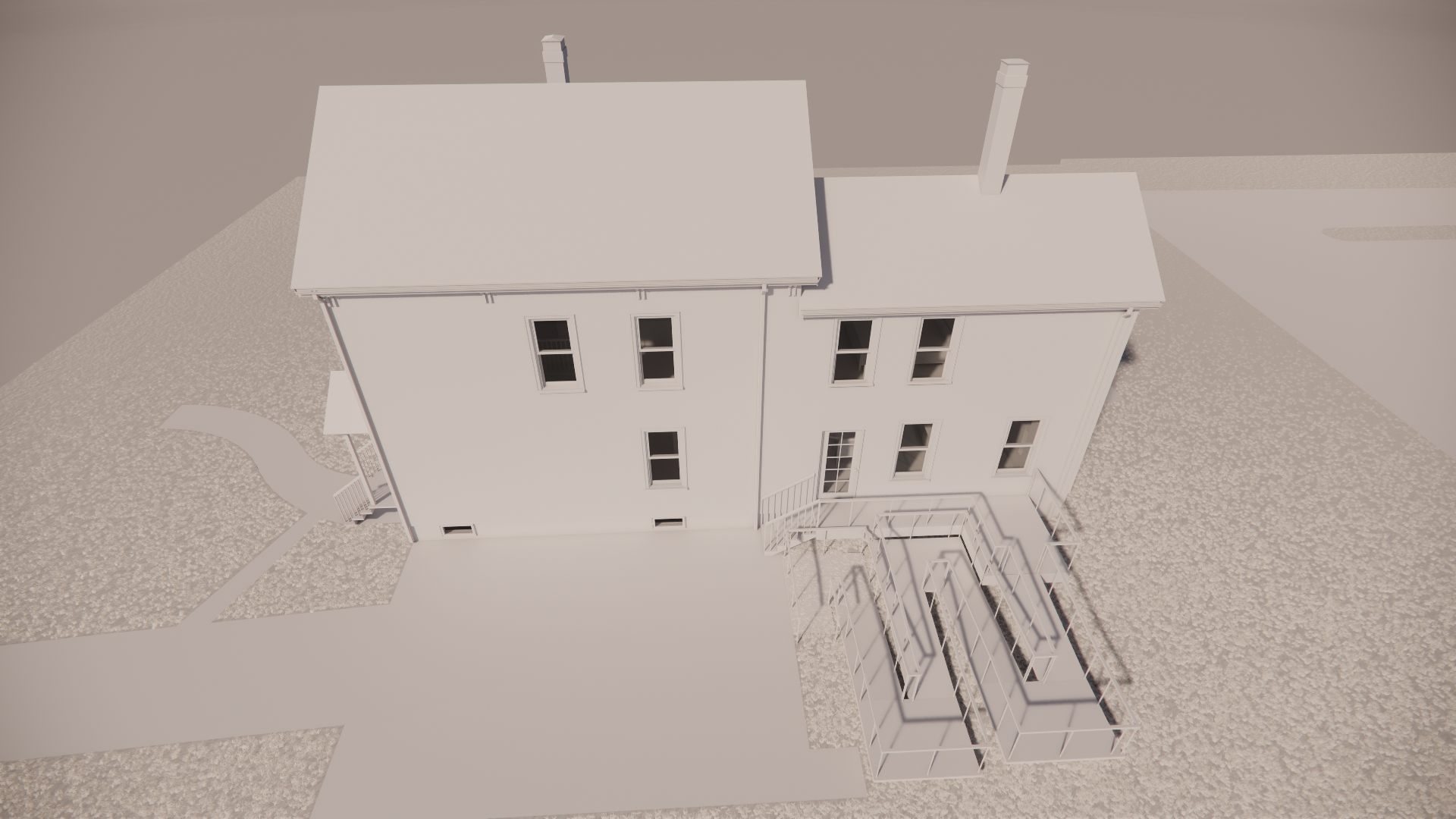
Taking things to an extreme creates a ramp that starts next to the stair, but turns 4 times, adding to complexity and cost while still creating a barrier between the front and back yards.
These studies showed us that the ramp was just too dang long, and the only way to decrease the length of the ramp is to reduce the height it has to traverse. On this project the best way to this seems to be by adding a gentle slope to the parking at the end of the driveway - remember that if we stay below 1:20 it’s just a sloping surface and not a ramp in the eyes of the code. This means that it doesn’t need railings, resting points and room for turning.
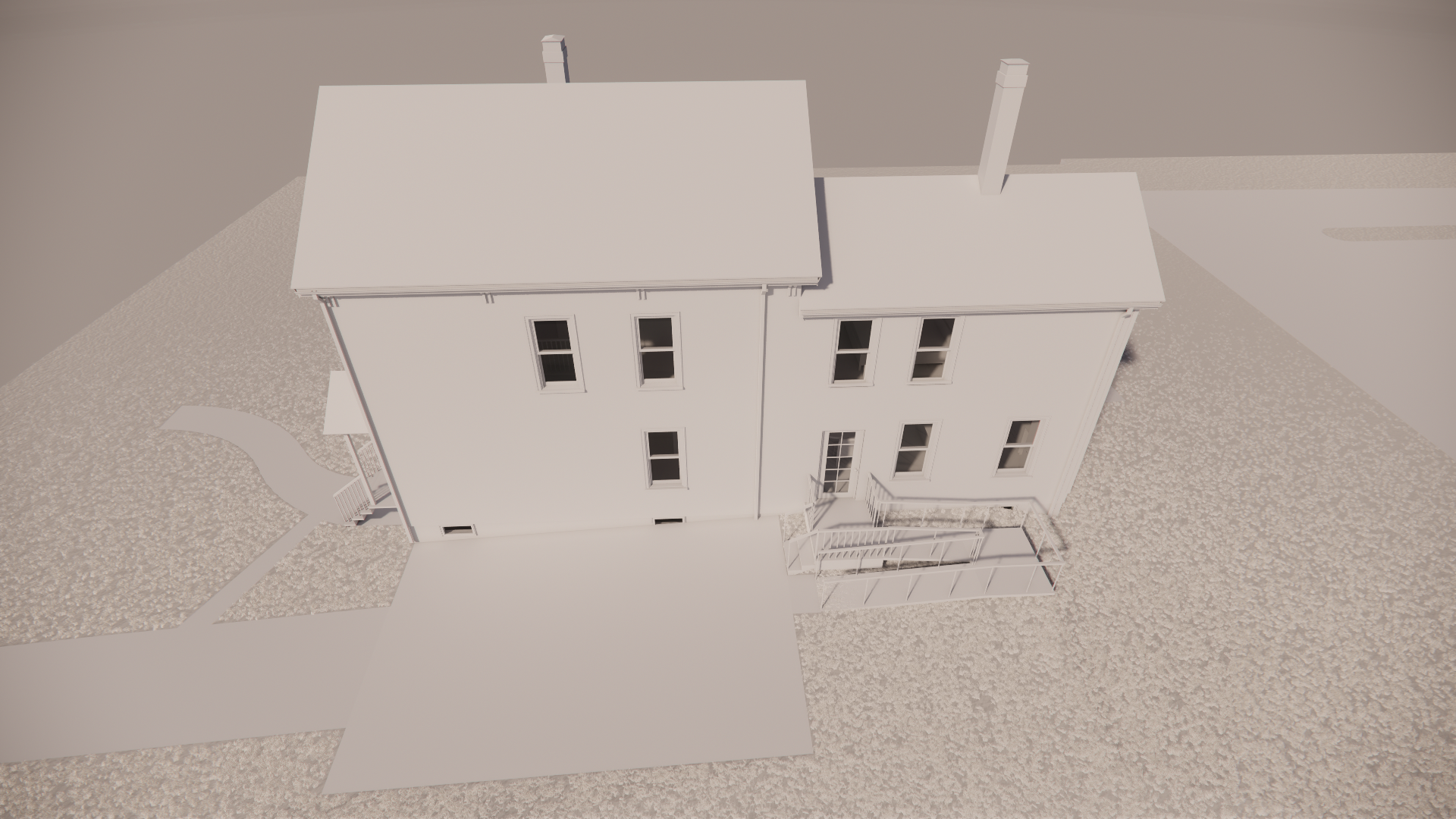
Here’s how that might look; the parking area is sloped across 31’ at 5/8” = 1'-0” and cuts out about half the height of the ramp. This makes for a much more manageable ramp that begins next to the stair, maintains access to the back yard and is much more cost effective to build.
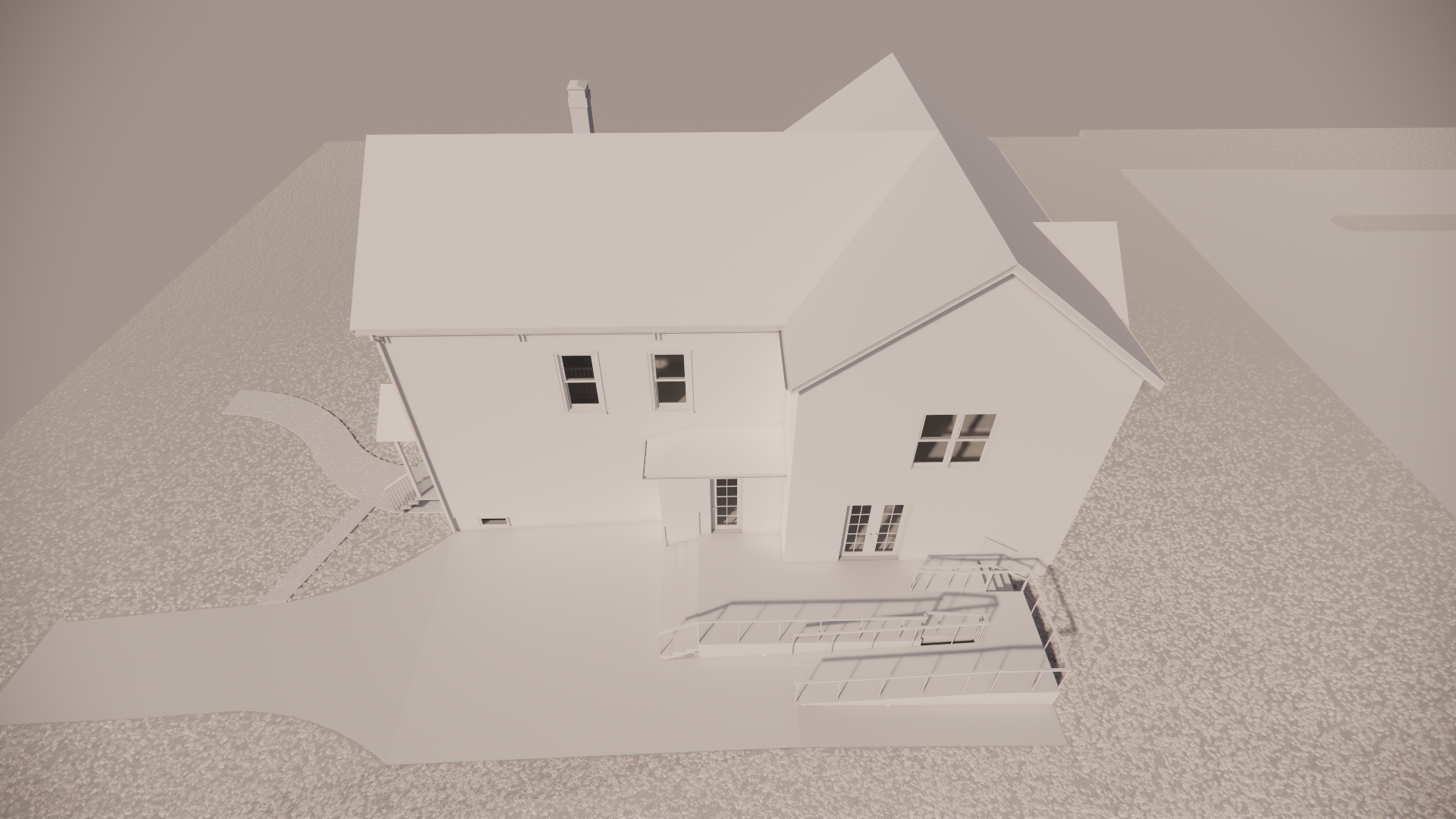
Here’s the current ramp layout. We’ve integrated the ramp and steps into a raised patio that can be used as part of the families regular routine and by their guests to access the house or for visiting and a path along the property line preserves backyard access. The entry to the ramp is pushed a little back from the stair (which helps keep the ramp shorter) and is a slight compromise from our initial goal, but I think that this will still be seen as a welcoming environment for people of varied abilities.
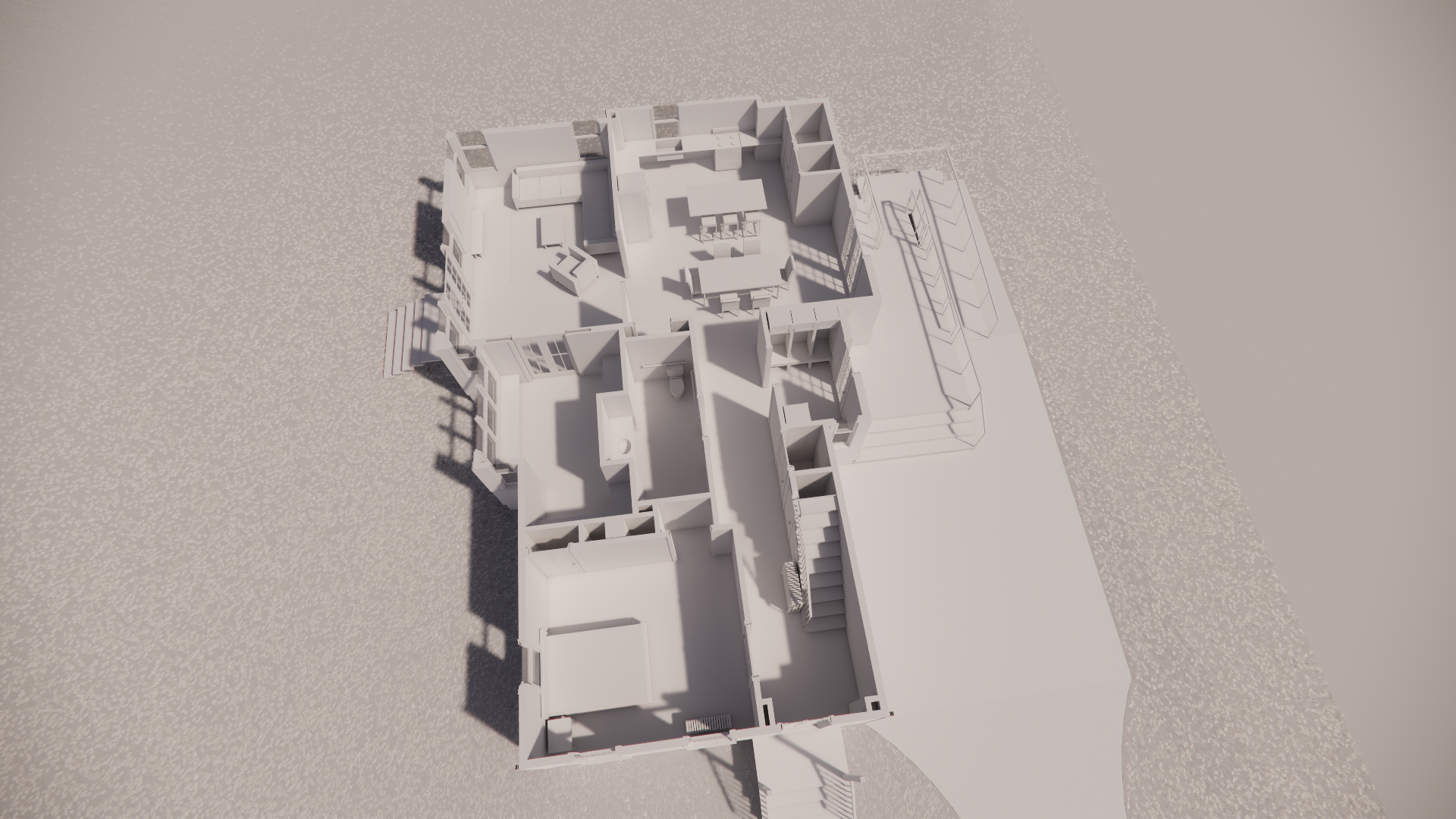
Here’s the interior of the house with accessible bedroom in the foreground, the accessible bathroom in the center and new family room to the upper right.