What An Architect Does: Field Measuring
I’m just getting back from my first visit to a new project and while I’m a bit tired I also feel energized by the fact that it was unseasonably warm enough that I could drive with the windows down for a while! Why was a I tired in the first place? Well the first meeting of a project is often when we measure the existing house so that we can build a model of it that we’ll use throughout the project. I’ve previously written about digital scanning of buildings which is my preferred method of taking existing conditions, but not every project has the budget or need for that endeavor and so we fall back on the older methods.
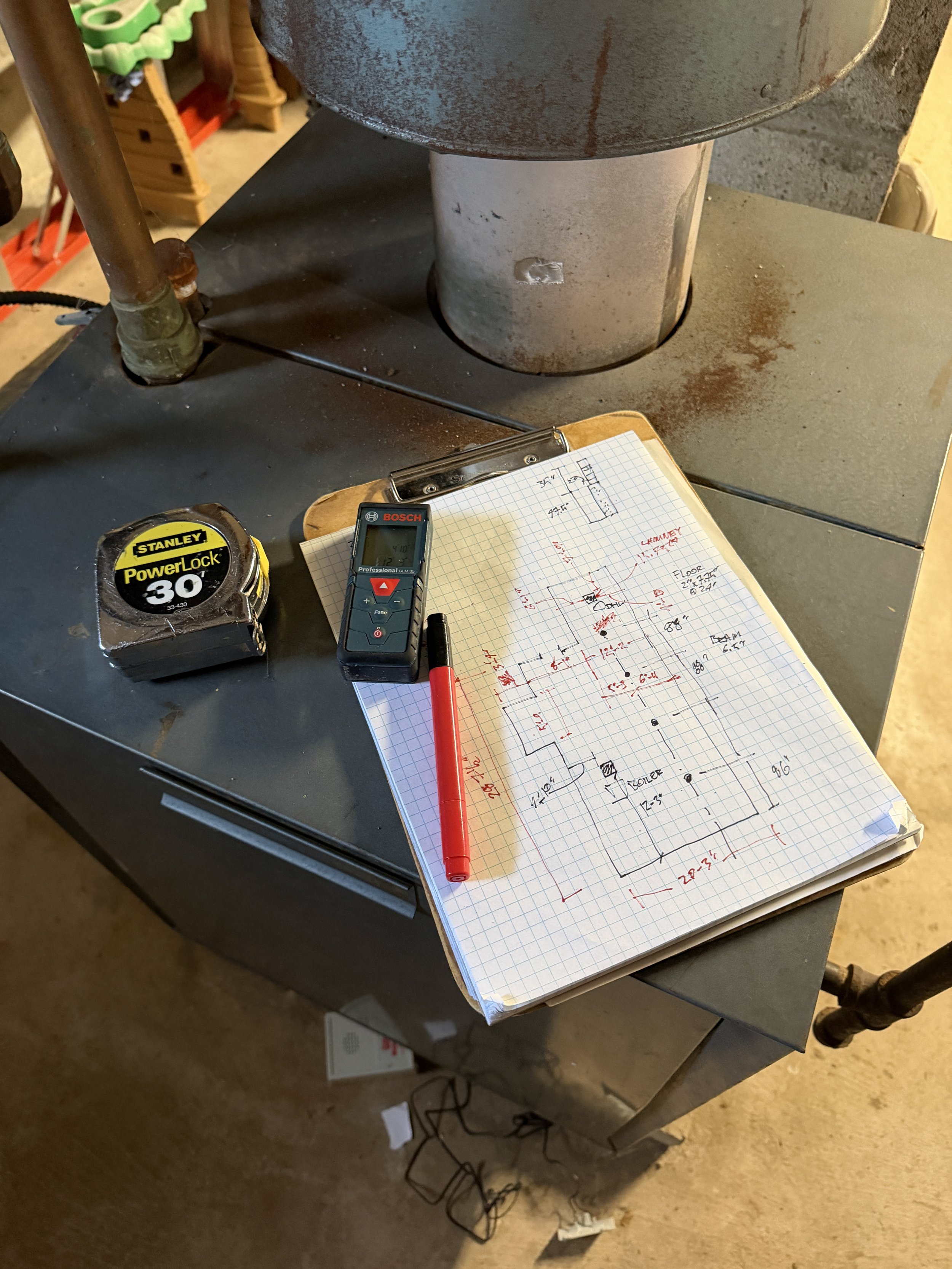
For me that means getting together a set of trusted tools: tape measure, laser measurer, clipboard, quad pad and red & black pens - shown here on the houses boiler. With these in hand I move room-by-room through the house, first doing a simple line drawing of each room that includes doors, windows, steps in walls, and built-in cabinetry. Using the laser I can quickly and accurately get overall measurements of the room, ceiling height and opening widths, and then I switch to the tape measure to size & locate windows and other room features.
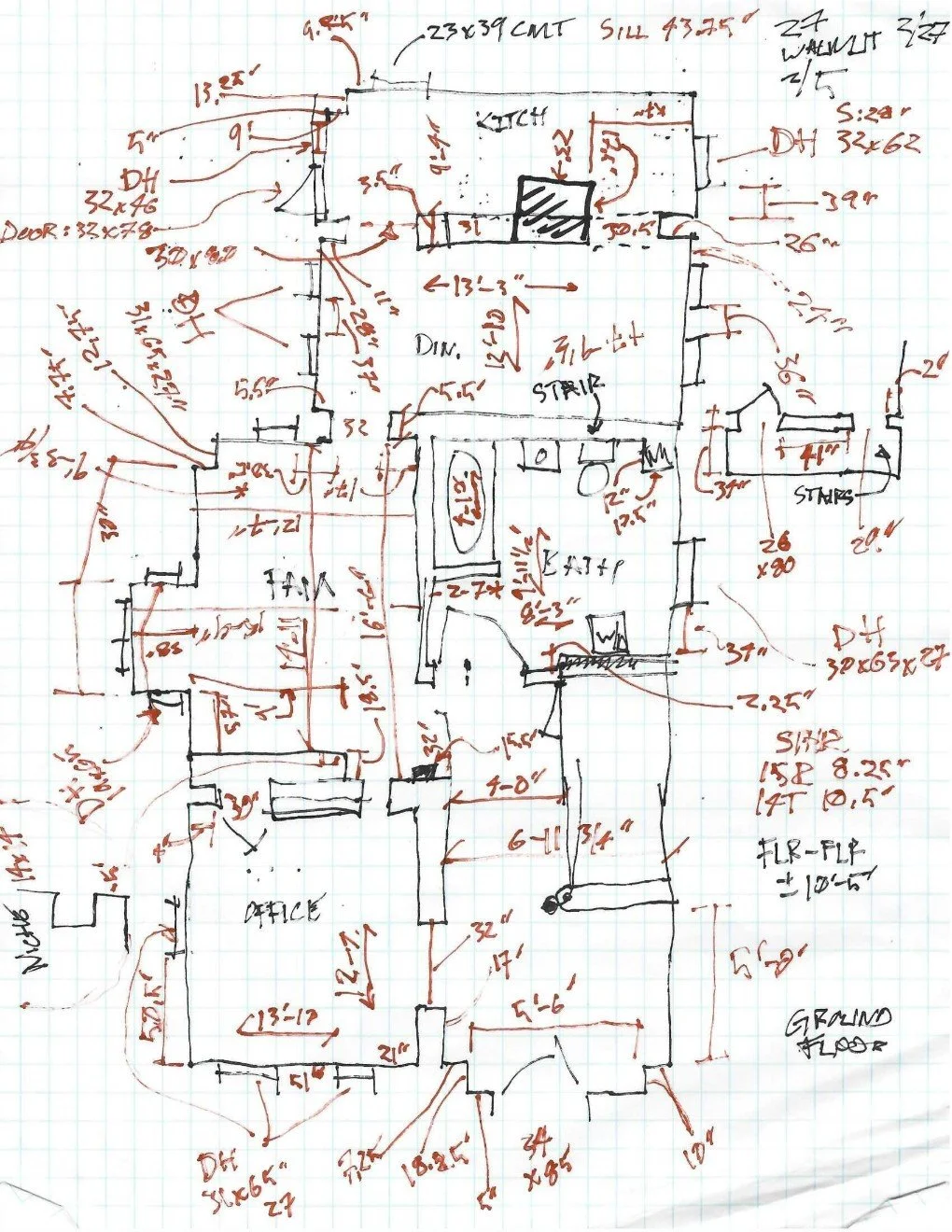
It’s can be tedious process and when you’re done you end up with a sheet of paper like this. This might seem indecipherable to people who haven’t done it before, but I’ve found that I can review notes like this even years later and have memories of the house flash back into my mind with sharp clarity. That said, my usual process is to come back into the office and jump right into drawing what I’ve just measured. There’s often a lot of enthusiasm after seeing new spaces and it’s good to capitolize on that if you can.
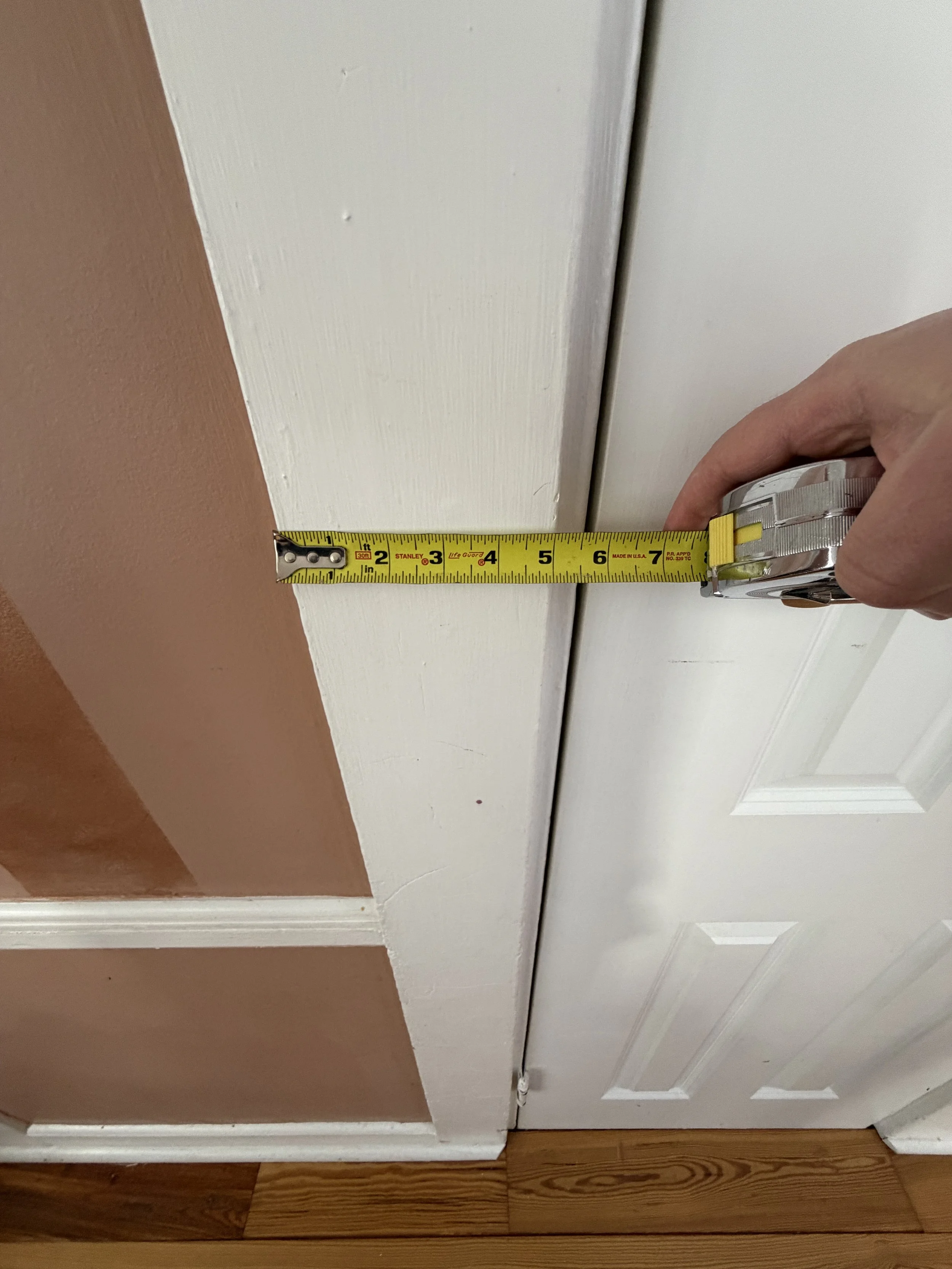
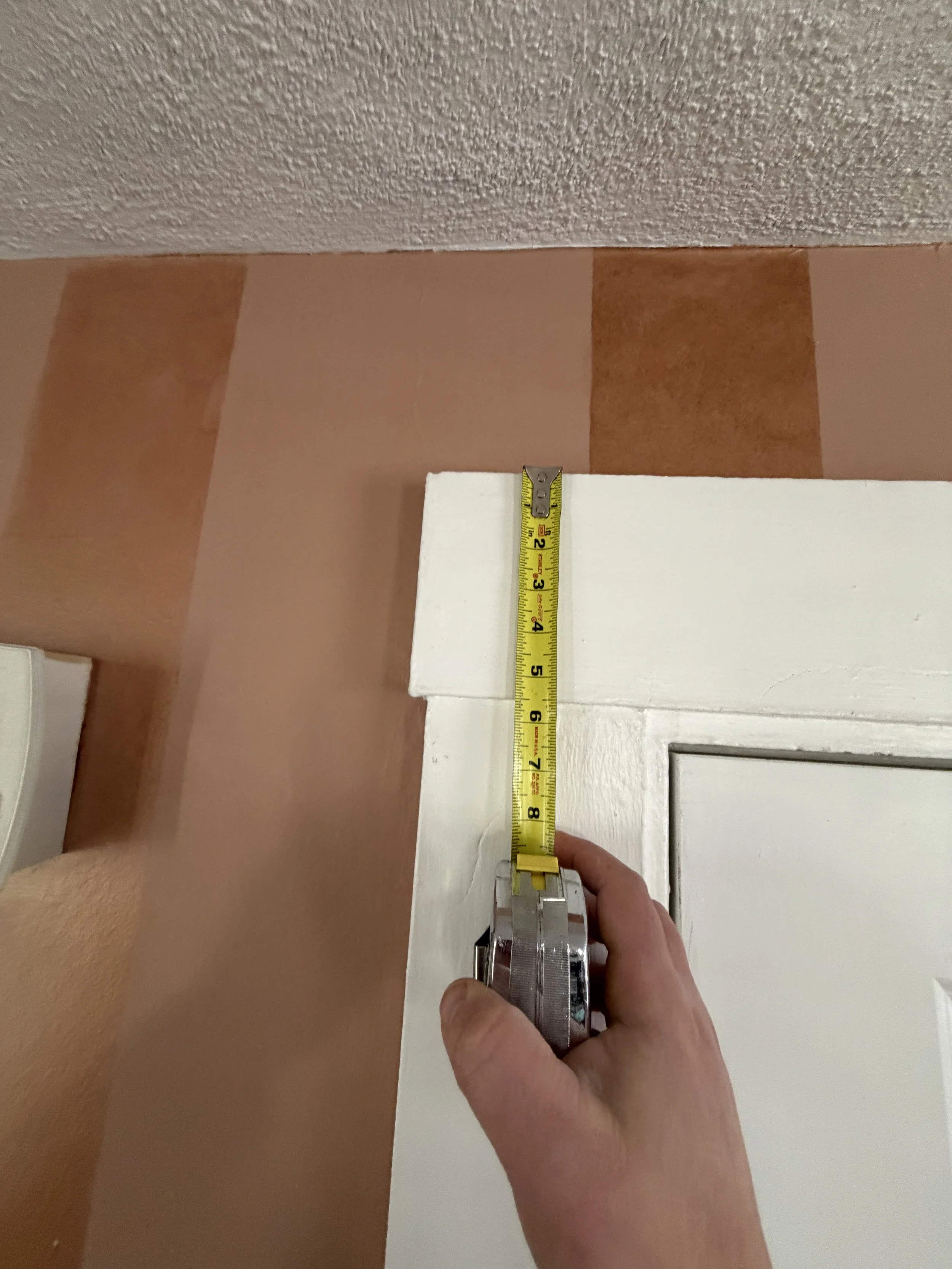
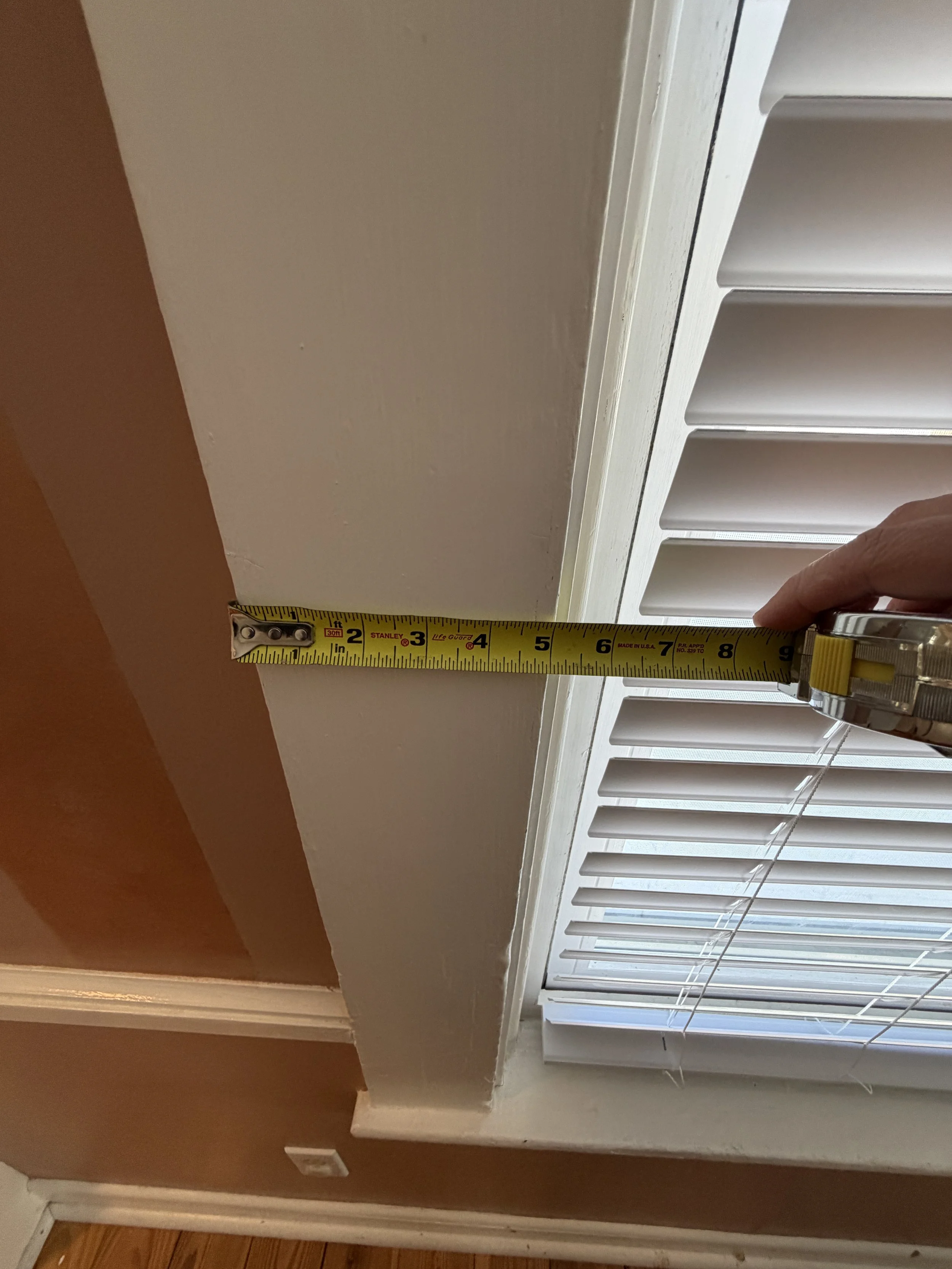
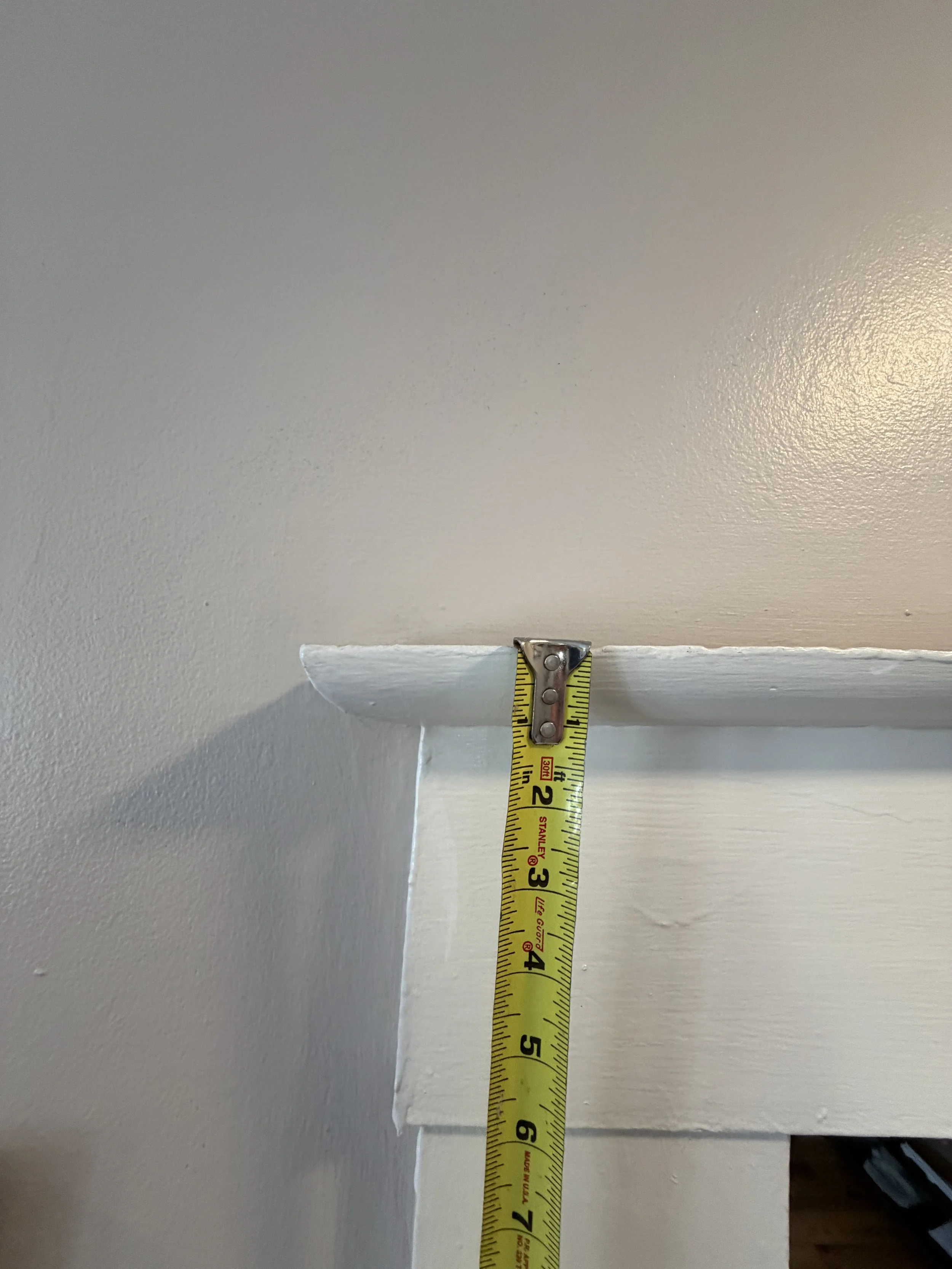
I’m also taking photos of each room as we go in keeping with the old saying I must have hundreds of words in my phone describing each of my projects. Some of those look the ones above, a disembodied hand holding a tape measure up against a piece of trim so that I can more easily draw it up. Honestly, the camera roll on an Architects phone will either be a fascinating review of beautiful buildings, or a mundane review of a strangers house (it me!) so be careful if you get the change to look through one.
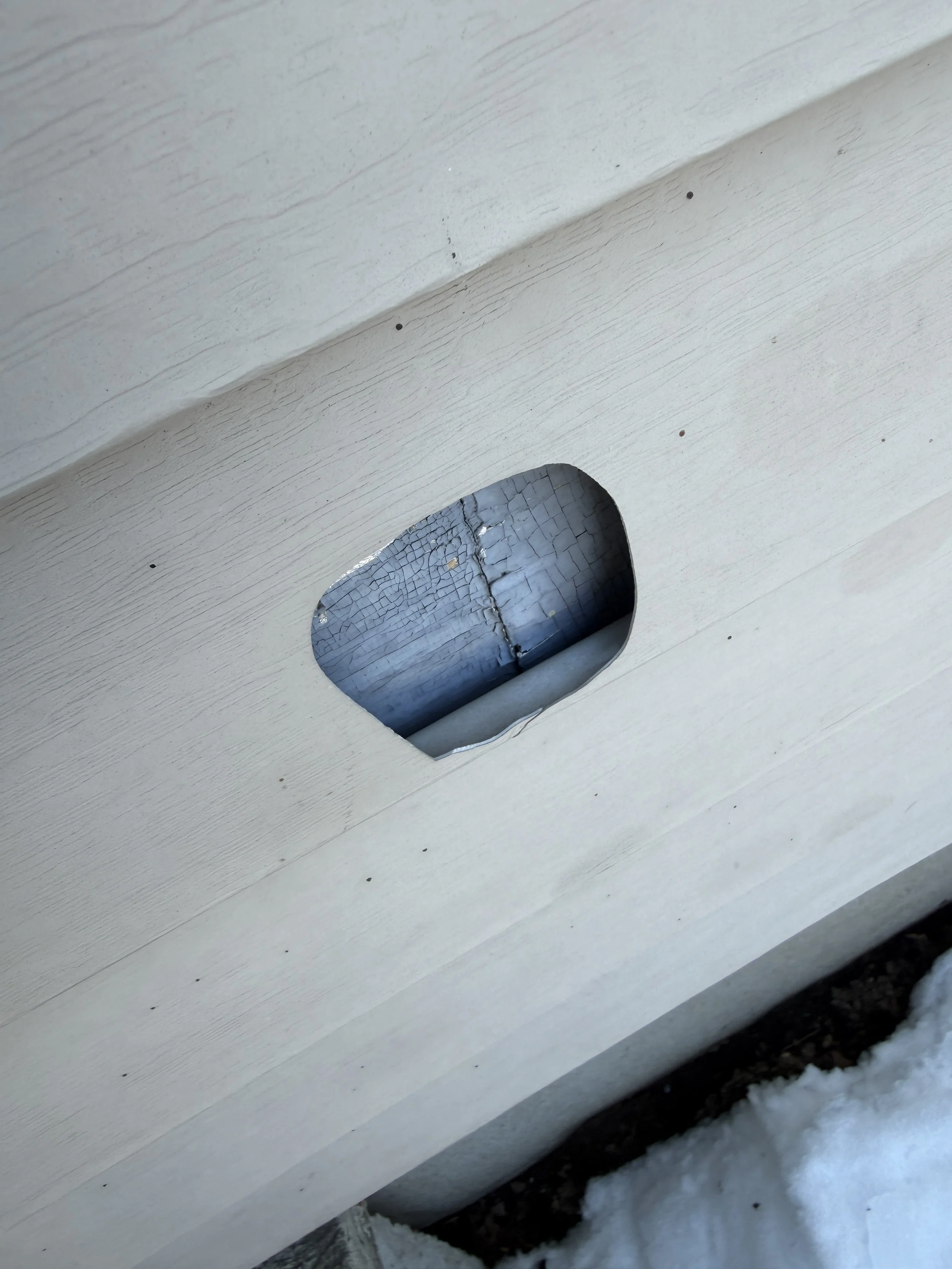
I’m also trying to figure out what the building is hiding, and while it would be tempting to start demo a little early, I generally have to rely on inference to figure out what’s inside the walls. Though today I got a little clue when I discovered a hole in the vinyl siding (it gets brittle over the decades) that reveals that the house once was clad in painted wood siding. Not a big surprise for New England, but it’s good to know for sure that it’s there as opposed to assuming.
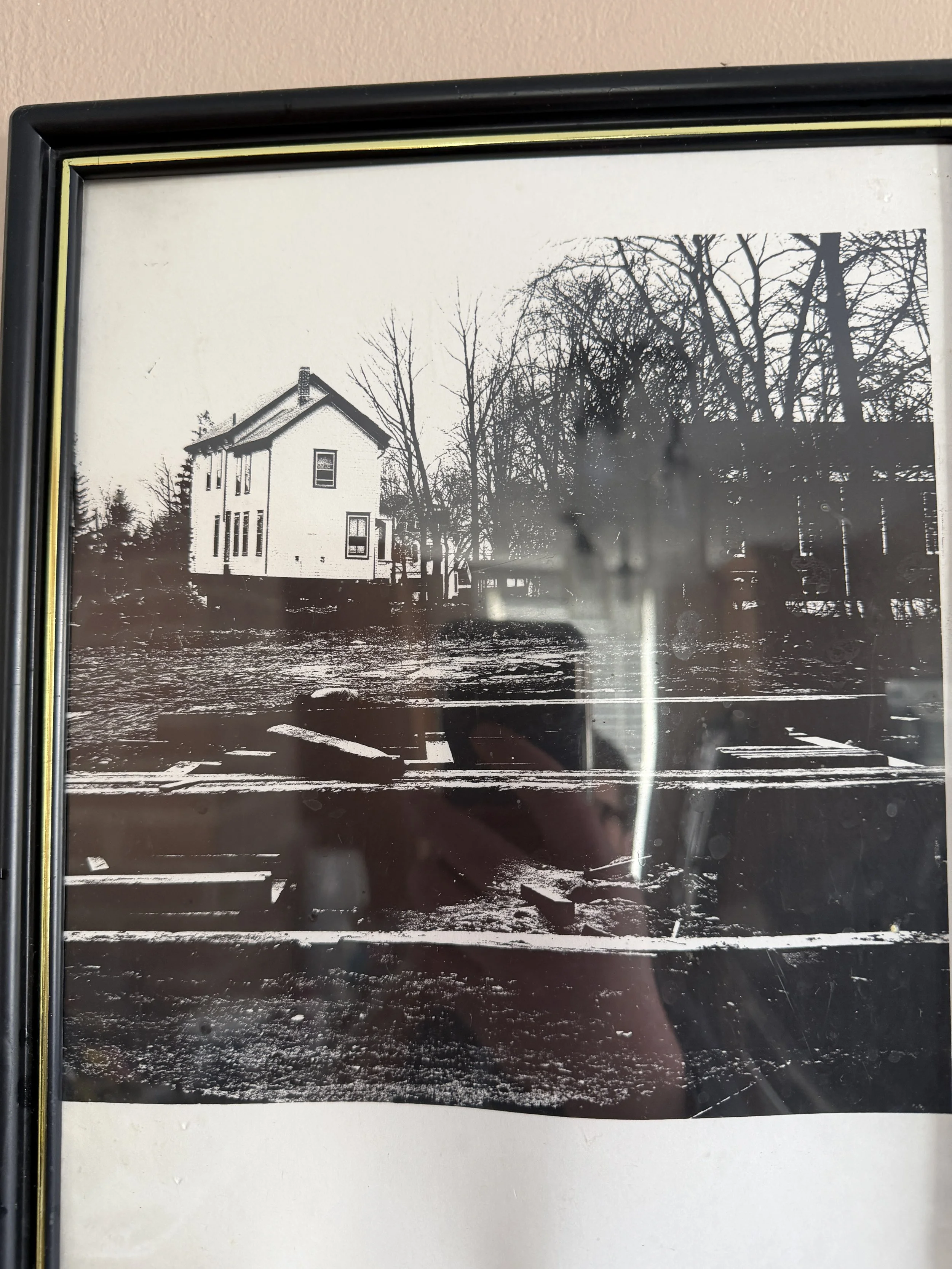
A second stroke of luck is that this homeowner has an historic photo of the house showing it either being move or being jacked up and having a new foundation put under it. I can tell from the photo that there’s some nice woodwork hiding under the vinyl - let’s hope that we can bring that character back to life in the course of this project.
Now its off to work on the existing conditions model. I’ll include some progress updates as we go.